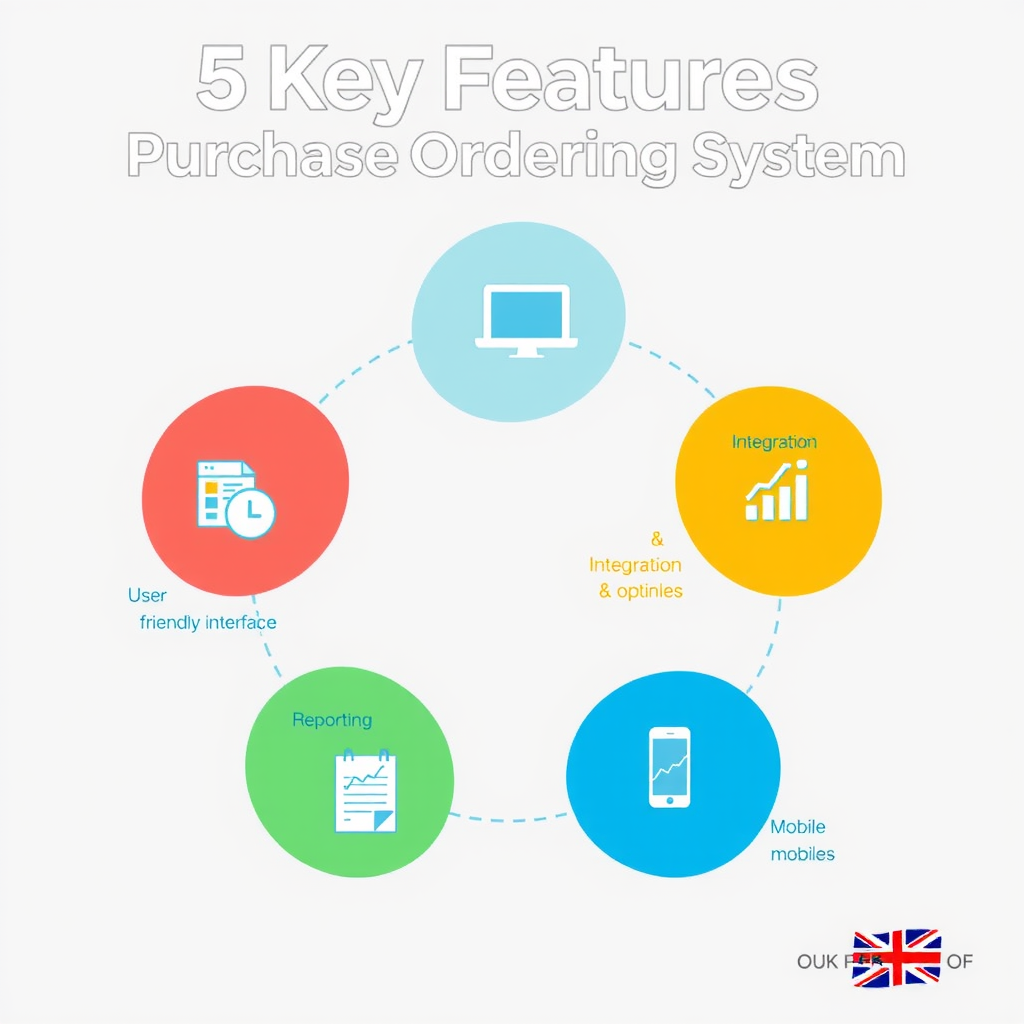
In today’s fast-paced business environment, procuring goods and services efficiently is essential for maintaining operational integrity and achieving strategic objectives. A reliable purchase ordering system is a critical tool that can streamline procurement processes, improve supplier relationships, and ultimately contribute to the bottom line. When searching for the ideal purchase order software, it’s crucial to evaluate certain key features that can enhance your purchase order management practices. Below are five pivotal features to consider when selecting purchase order management software.
Comprehensive PO System Functionality
One of the essential features to look for in a purchase order system is comprehensive functionality. A robust PO system will cover various aspects of the procurement process, starting from requisition to order placement, receiving goods, and invoice processing. Ensuring that the software allows for the creation, approval, and tracking of purchase orders simplifies the procurement workflow and provides transparency at every stage. The more extensive the functionality, the less reliance there will be on manual processes, reducing the chance of errors and speeding up the cycle time.
A complete purchase order management system should include features such as automated approval workflows, dynamic reporting tools, and the ability to link purchase orders to specific projects or budgets. This greatly enhances operational visibility and helps in tracking expenditure against set budgets, thus promoting accountability.
Integration with Existing Systems
In the modern business landscape, software solutions often work in silos, leading to inefficiencies and data discrepancies. When assessing purchase orders software, look for a solution that integrates seamlessly with your existing financial and inventory systems. A cloud-based purchase order software solution should facilitate easy integration with enterprise resource planning (ERP) systems, accounting software, and inventory management tools.
Such integration not only centralises data but also enhances inventory tracking and supplier management capabilities. By having access to real-time data across all platforms, your team can make informed decisions and react swiftly to changing procurement needs.
A robust purchase ordering system is essential for streamlining procurement processes and enhancing efficiency in businesses. By utilizing a dedicated solution, companies can easily manage orders, track inventory, and improve supplier relationships. Explore how you can optimize your purchasing operations by visiting https://cloudb2b.co.uk/. With the right purchase ordering system in place, organizations can reduce errors, save time, and ultimately drive more cost-effective purchasing decisions that support overall business goals.
User-Friendly Interface
A purchase order system should have a user-friendly interface that minimises the learning curve for your team. The software should be intuitive enough for employees to navigate comfortably, enabling them to create and manage purchase orders with minimal training. An easy-to-use interface promotes higher adoption rates within the organisation, ensuring that all users can efficiently contribute to the purchase order management process.
Look for purchase order software that offers customisable dashboards and an organised layout. The ability to tailor the interface to fit specific business needs can significantly enhance usability, allowing users to focus on their tasks rather than struggling with software complexities.
Robust Reporting and Analytics Features
To make informed procurement decisions, an effective purchase order management system must incorporate robust reporting and analytics features. A system that provides insightful reports enables decision-makers to gather vital information on purchasing trends, supplier performance, and expenditure patterns. By utilising data analytics, procurement teams can identify opportunities for cost savings, negotiate better terms with suppliers, and optimise their purchasing strategies.
Additionally, these reporting features should allow for custom report generation. This level of flexibility ensures that stakeholders can access the specific data they require, whether it’s for weekly reviews or quarterly performance assessments.
Enhanced Security and Compliance Measures
Finally, as businesses face increasing scrutiny regarding data security and regulatory compliance, choosing purchase order management software that includes enhanced security features is paramount. A cloud-based purchase order software solution should incorporate secure user authentication, data encryption, and automated backups to safeguard sensitive information and protect against data breaches.
Furthermore, compliance with relevant legal regulations and industry standards is essential for any purchase order system. Features such as audit trails, change logs, and compliance checks can help ensure that your procurement processes are in line with local and international laws. By prioritising security and compliance measures, you not only protect your organisation but also foster trust with suppliers and stakeholders.
When selecting a purchase ordering system, it is crucial to prioritise features that enhance operational efficiency and support strategic purchasing decisions. By focusing on comprehensive functionality, integration capabilities, user-friendliness, robust reporting, and enhanced security, businesses can empower their teams to manage procurement tasks effectively and drive organisational success.
Comments are closed